
In 2026, I still rate Star Wars Outlaws’ computer hacking — called slicing in Kay Vess’s underworld vocabulary — as one of the cleanest deduction puzzles in a modern open-world game. I have used it across Imperial terminals, syndicate vaults, and back-alley consoles, and the core rule has not changed: solve a symbol sequence before the attempt counter runs dry. The system looks like Wordle in a galaxy far, far away, but it is really a logic test about elimination, placement, and risk. Knowing how to slice computers is vital because I need it constantly to progress the story and help Kay escape sticky situations.
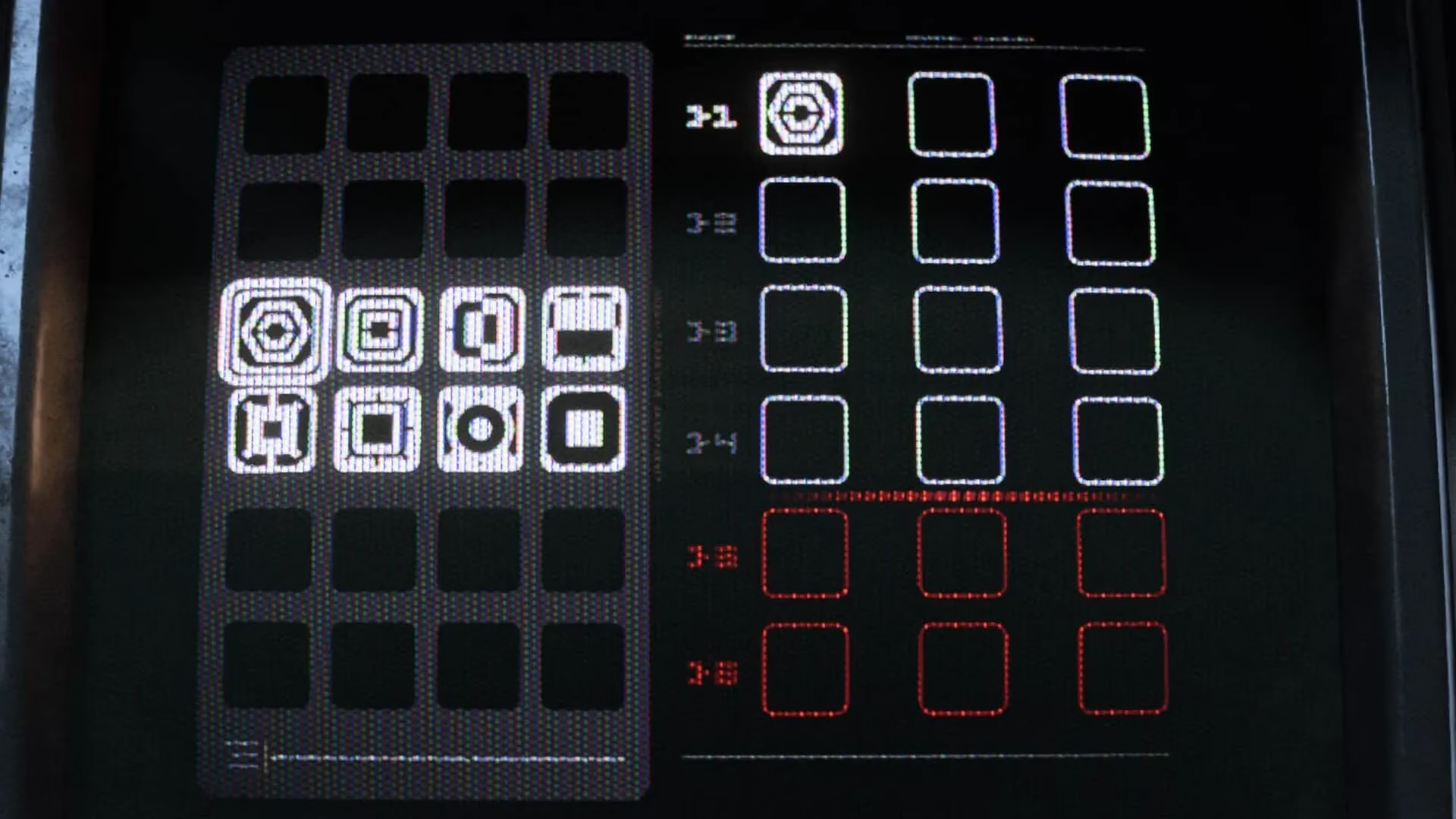
The screen tells me more than it first seems
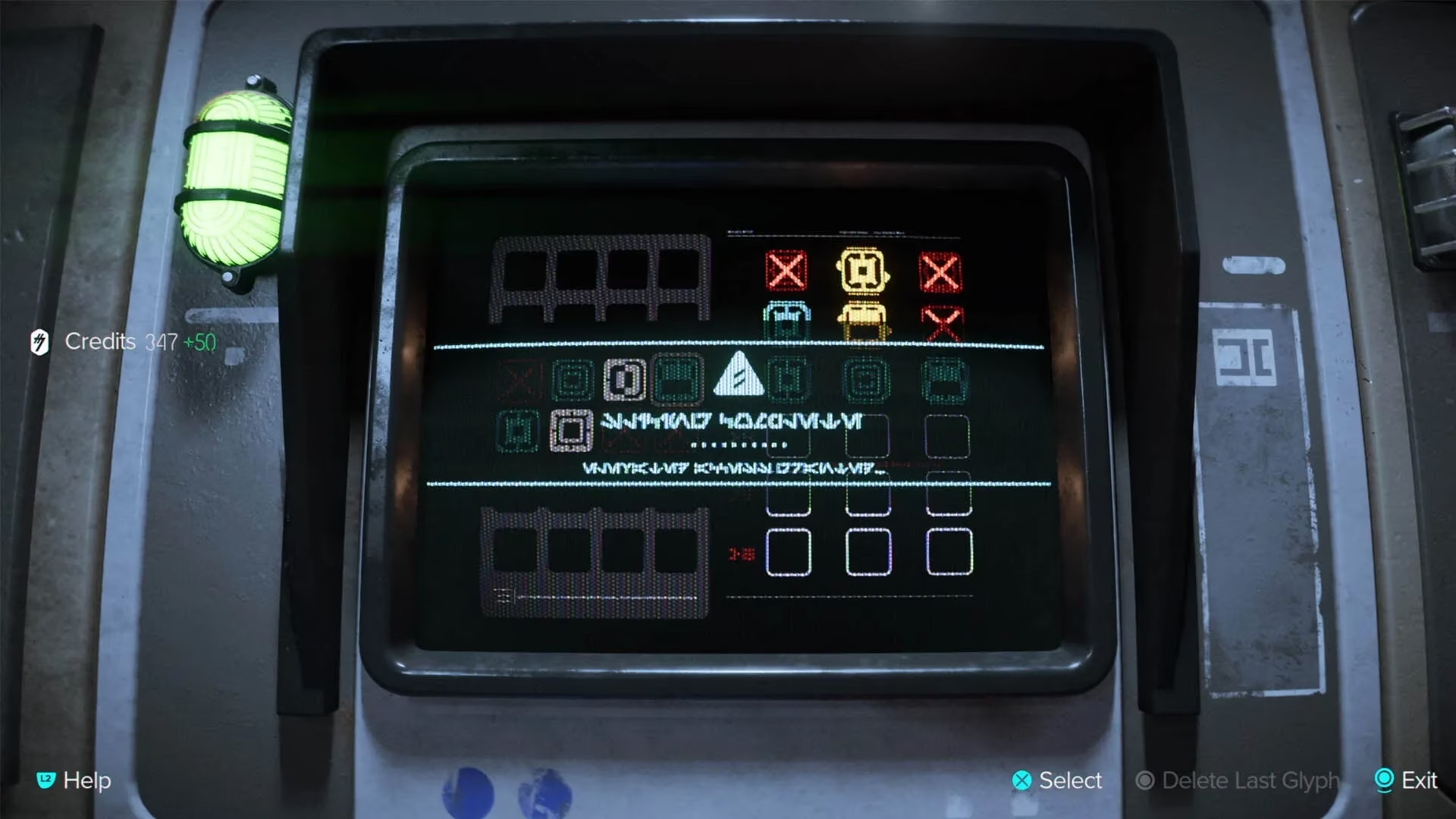
When I start a hack, the interface splits into two clear halves. On the left, I see the available symbols. On the right, I see how many attempts I have left. I select symbols in the order I want them, and they move automatically into the sequence slots. The real information arrives after I submit a guess, because every symbol transforms into one of three feedback markers. I treat those markers as my map through the terminal.
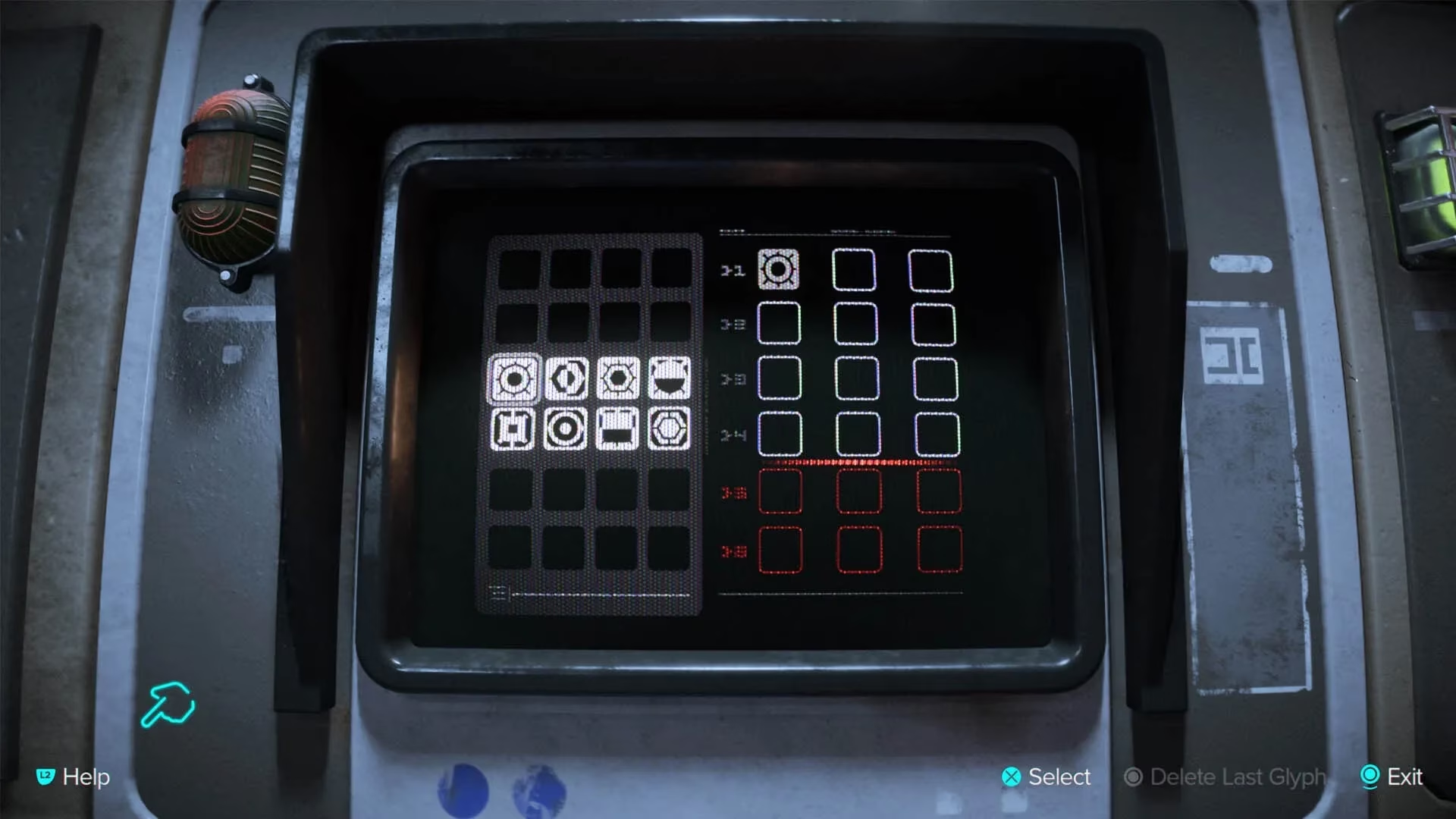
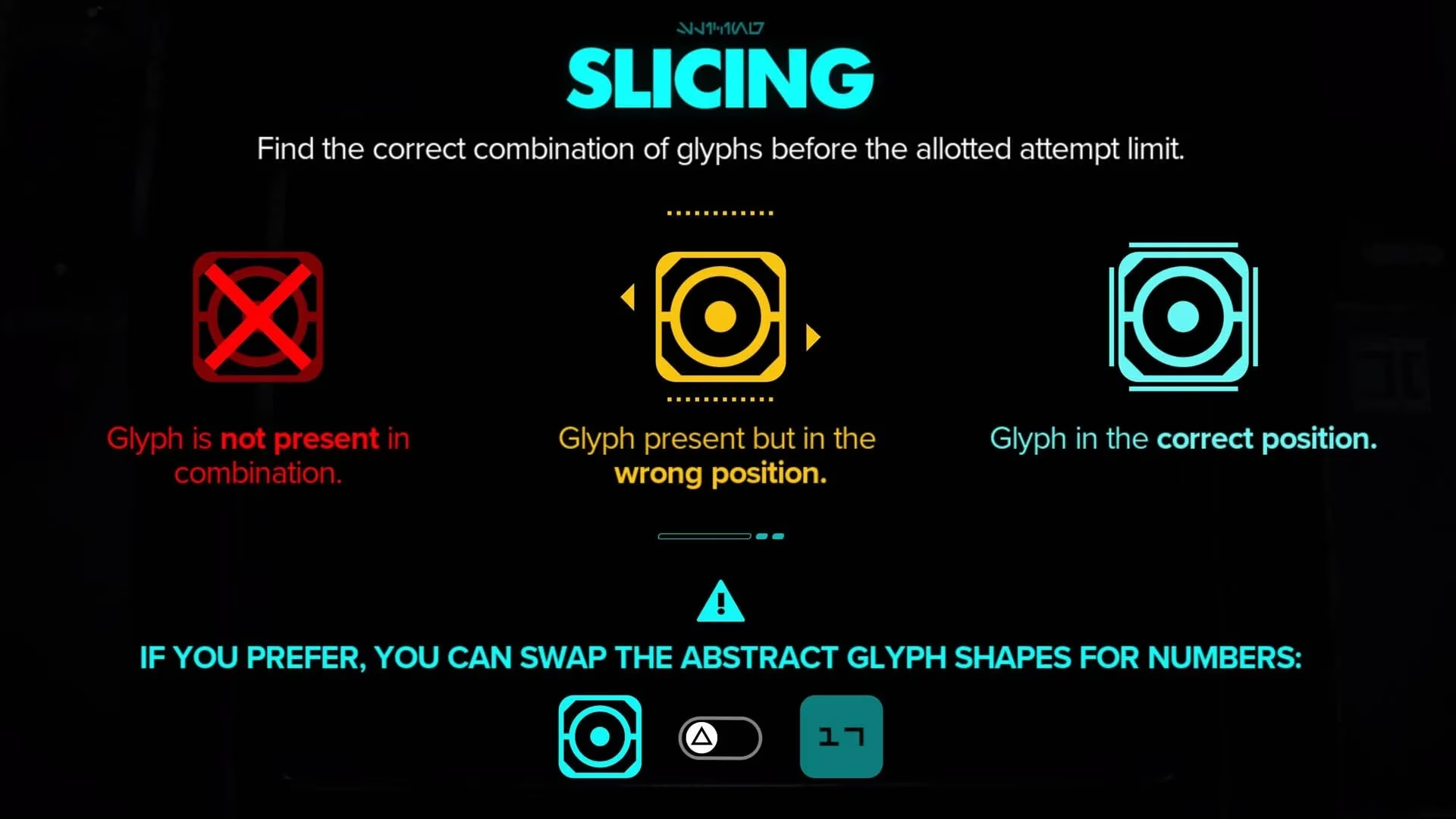
| Marker | What it means | My reaction |
|---|---|---|
| Red X | The symbol does not appear anywhere in the correct sequence | I eliminate it and never test it again |
| Yellow symbol | The symbol is in the sequence but not in the right place | I keep it and reposition it |
| Blue symbol | The symbol is in the correct place | I lock it as an anchor |
My three-phase slicing method
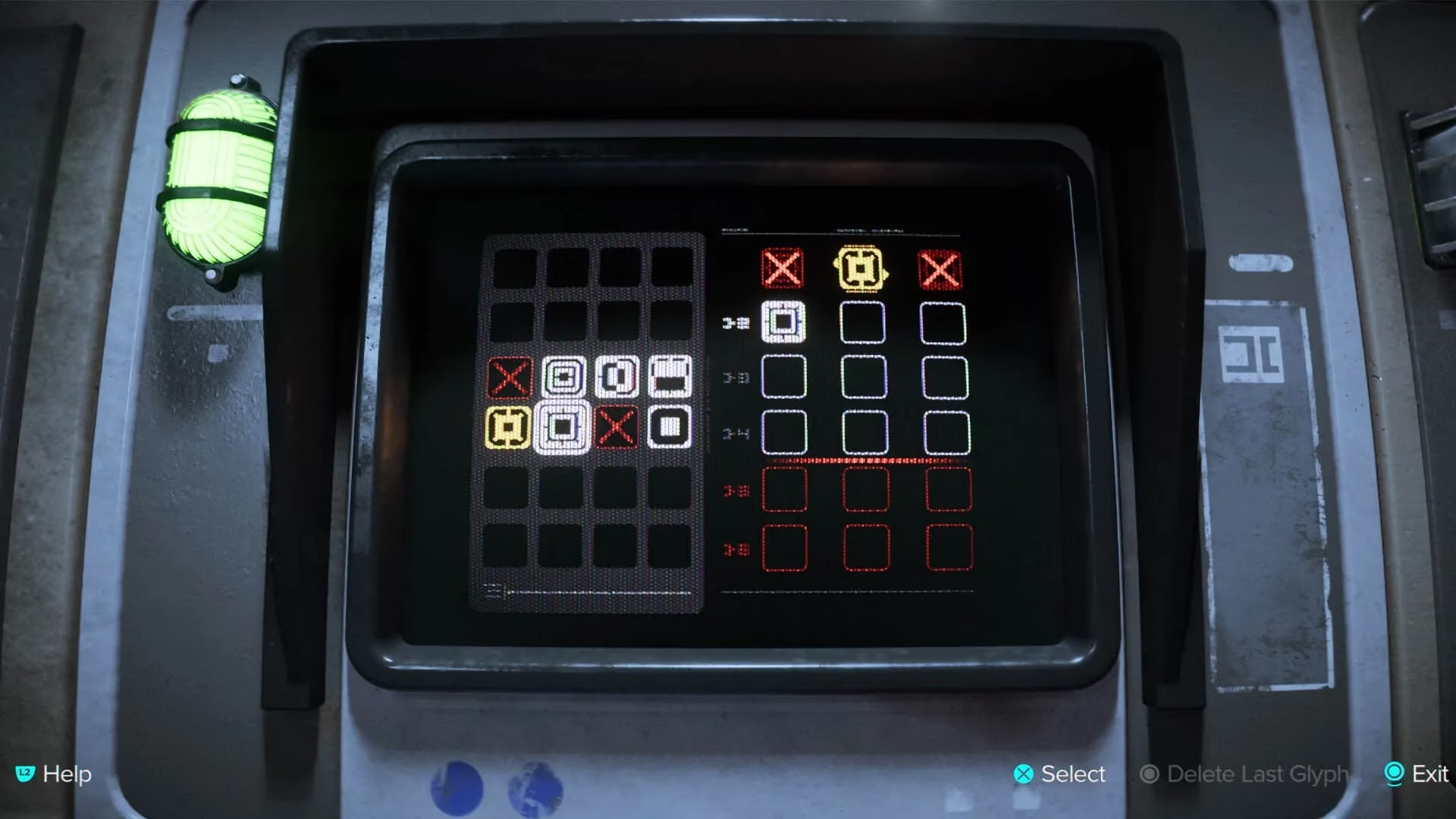
My first attempt is not about winning. It is about learning. I probe the board with a small set of symbols and watch for red X marks, because every eliminated symbol shrinks the puzzle. When I see a yellow marker, I know the symbol belongs somewhere in the sequence, so I move it to a different slot on the next attempt. When I see a blue marker, I stop touching that slot. The game automatically keeps correct placements for the next sequence, which means I can spend my remaining attempts on the unknown positions instead of repeating confirmed work.
In phase two, I build around blue anchors. If I have two blue symbols, I focus entirely on the gaps between them. If I have yellow symbols but no blue ones, I shuffle those yellow symbols first rather than introducing new guesses. That is the moment where many players waste attempts: they keep adding fresh symbols when the board is already telling them which symbols are part of the answer. I avoid that by treating yellow as a placement problem, not an elimination problem.
In phase three, I finish the sequence with the fewest possible variables. By then, wrong symbols have been removed from my choices, correct symbols remain in place, and the attempt counter is the only real pressure. I slow down, check the order one last time, and submit. The puzzle is generous if I respect its feedback, but it punishes careless guessing.
How I handle the attempt counter
-
I never re-test a red X symbol. It is dead information, and using it again burns an attempt.
-
I treat every yellow symbol as a clue about position, not as a failure.
-
I lock blue symbols immediately and build the rest of the sequence around them.
-
I avoid filling every slot with unverified symbols when I have only one or two attempts left.
-
I use early attempts to gather feedback, then switch to precise placement once the board narrows.
Common mistakes I avoid
The biggest mistake I see is panic. A failed first guess feels bad, but it is often the most useful guess because it removes possibilities. Another mistake is ignoring order. A yellow symbol is not wrong; it is simply in the wrong slot. I also avoid treating the puzzle like a random lottery. Slicing rewards deduction, and the interface gives me enough information to solve it without guessing blindly. Finally, I do not forget that correct placements persist. That persistence is the game’s way of helping me, and I use it aggressively.
What success looks like
Once I guess the correct sequence, the hack completes and I am inside the computer. The success screen is a small reward, but the real payoff is access: story progress, useful data, and the feeling that I outsmarted the terminal rather than brute-forced it. In 2026, Star Wars Outlaws still holds up as a satisfying slice of stealth-flavored puzzle work, and this symbol-based hacking system remains one of its most readable challenges.
If I had to reduce the whole method to one sentence, it would be this: use the first guess to learn, use yellow markers to reposition, use blue markers as anchors, and never spend an attempt on information I already have. That approach has carried me through every terminal I have faced, and it will carry me through the next one too.
Details are provided by PC Gamer, whose long-running reviews and features on stealth, immersive systems, and puzzle design help frame why Star Wars Outlaws’ slicing stands out: the mechanic succeeds not because it is flashy, but because it delivers immediate readable feedback, encourages deduction over brute force, and turns each terminal into a compact decision puzzle that reinforces Kay Vess’s outlaw improvisation.