
The Star Wars universe is a meticulously woven tapestry of events, and every new story must find its precise thread within the grand chronology. As of 2026, the latest adventure to navigate this complex web is Star Wars Outlaws. While the game carves its own unique path with original characters and fresh scoundrel escapades, its placement in the galactic timeline is absolutely crucial for understanding the stakes, the atmosphere, and the surprising character appearances players will encounter. This isn't just any random point in history; it's a very specific, tense, and pivotal era.
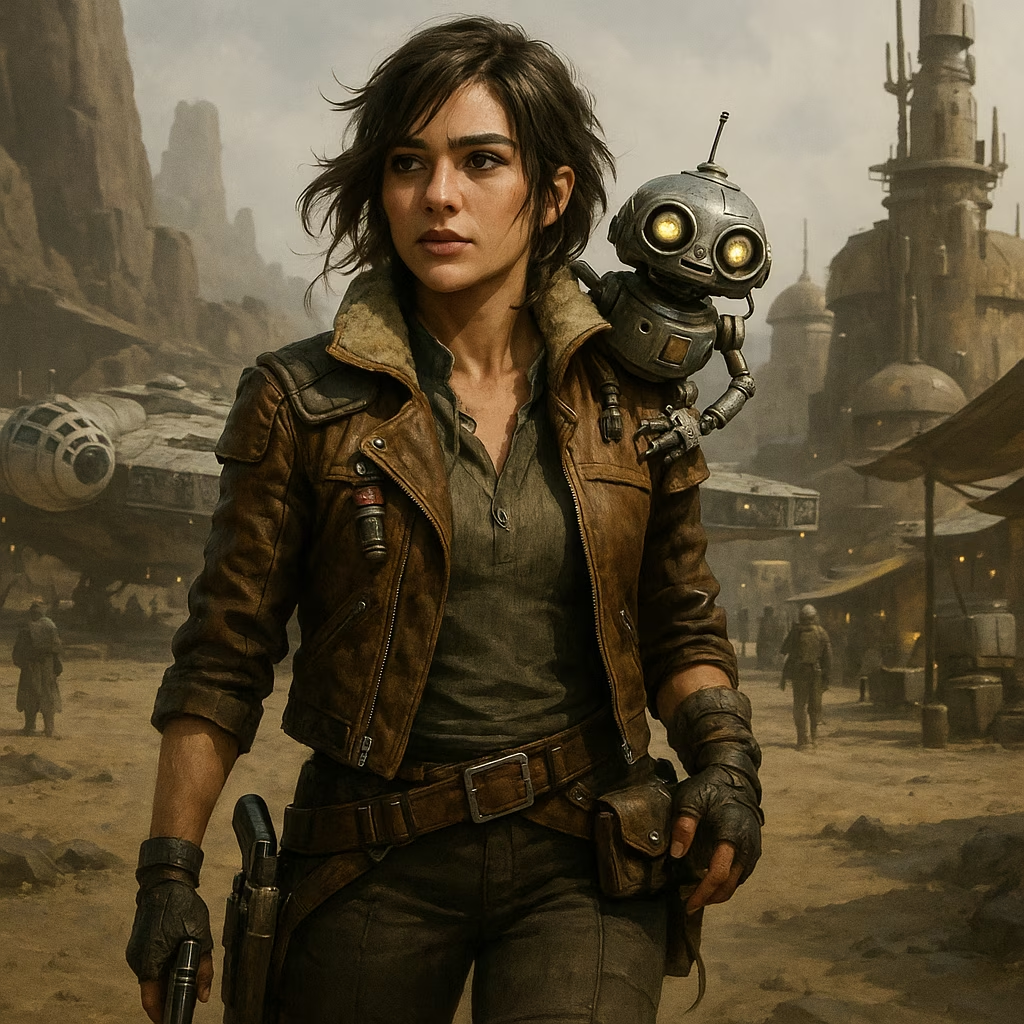
Pinpointing the Era: Between Hope and Despair
So, where exactly does Star Wars Outlaws land? The game is firmly set in the volatile period between Episode V: The Empire Strikes Back and Episode VI: Return of the Jedi. This is a dark time for the galaxy. The Rebel Alliance, though surviving the brutal assault on Hoth, is licking its wounds and operating largely from the shadows, secretly preparing for the confrontation that will become the Battle of Endor. Conversely, the Galactic Empire is at the absolute zenith of its power and dominance. The destruction of the first Death Star was a setback, but as seen in The Empire Strikes Back, the Imperial war machine came back with a vengeance. In Outlaws, this oppressive might is not just background lore—it's a constant, palpable presence.
The game's mechanics reflect this reality. The notorious Wanted system isn't just a gameplay gimmick; it's a narrative manifestation of the Empire's feverish, paranoid intent to crush any potential threat. They are hunting down dissidents, smugglers, and scoundrels with unprecedented fervor to prevent another catastrophic blow like the loss of the Death Star. For protagonist Kay Vess, navigating this landscape means the Empire isn't just a distant evil; it's an active, relentless hunter.
Iconic Cameos and Timeline Implications
This specific era allows for some fascinating intersections with beloved characters from the core saga. The game doesn't just drop names; it integrates them into its narrative in ways that feel organic to the timeline.
-
Jabba the Hutt & The Cartel: With the Hutt Cartel playing a major role, it's no shock that the infamous crime lord Jabba himself makes an appearance. During this period, Jabba is actively expanding his criminal empire, and Kay's journey can intersect with his schemes, for better or worse, depending on player choices.
-
The Fate of a Frozen Smuggler: Here's a critical timeline detail every fan will recognize: Han Solo is currently frozen in carbonite and displayed in Jabba's palace. This isn't just trivia; it's a key plot point for the galaxy. Players exploring Jabba's domain might just catch a glimpse of the legendary captain in his frozen state—a chilling (pun intended) easter egg that grounds the game in this specific moment.
-
Lando's Calculated Moves: The appearance of Lando Calrissian is particularly intriguing. At this point in the timeline, Lando is ostensibly a respectable administrator of Cloud City but is secretly burdened with guilt over Han's capture. His involvement in Outlaws could logically represent a side mission or diversion as he works to gather resources or information needed to track down Boba Fett and rescue his friend, adding depth to his character arc between the films.
Planetary Encounters and Settled Debates
The game's attention to timeline consistency extends to its planetary environments and even fan controversies!
-
Tatooine's Terrifying Inhabitant: Venturing into the dunes of Tatooine, players might have a run-in with a massive Krayt Dragon. This isn't a random monster drop; it's a direct link to the live-action series The Mandalorian, which established these creatures as native terrors of the desert world, showcasing the game's connection to the broader, living Star Wars lore.
-
The Greedo Dilemma, Solved?: One of the most hotly debated topics in Star Wars fandom—"Who shot first?" in the Mos Eisley cantina—reportedly gets a nod. While not a central plot point, Star Wars Outlaws is said to include a subtle scene or detail that, in the developers' vision, confirms Greedo fired the first shot. This is a fun, if contentious, way for the game to plant its flag in a long-standing lore discussion.
Why This Timeline Placement Matters
| Era | Galactic State | Player Experience in Outlaws |
|---|---|---|
| Post-Empire Strikes Back | Empire at peak strength; Rebels in hiding. | Constant Imperial pressure; high risk for outlaws. |
| Pre-Return of the Jedi | Key characters (Han) are captive; rebellion is plotting. | Cameos feel earned; galaxy feels "stuck" before the final hope. |
| Scoundrel's Golden Age | With the Empire distracted by Rebels, crime syndicates flourish. | Opportunity for Kay to navigate the criminal underworld's power struggles. |
In essence, Star Wars Outlaws isn't just set "sometime during the Original Trilogy." It's expertly slotted into a narrative sweet spot—a time of maximum Imperial oppression but also of chaotic opportunity in the underworld. This allows players to experience the gritty, day-to-day struggle of life under the Empire's boot, all while crossing paths with iconic figures whose fates we already know. It makes the galaxy feel alive, interconnected, and deeply consequential for a lone scoundrel trying to make her mark. The timeline isn't a backdrop; it's a central character, shaping every heist, alliance, and narrow escape.