
When will corporations finally grasp that releasing unfinished games isn't just disappointing fans—it's actively training them not to buy on launch day? Forget ethics or layoffs for a moment; purely from a cold, capitalist perspective, this cycle is self-destructive. Every game that launches broken—only to be patched into greatness months later—teaches players one brutal lesson: waiting is wiser. It’s basic consumer psychology, yet publishers keep repeating the same costly mistake. How many franchises must suffer before they learn?
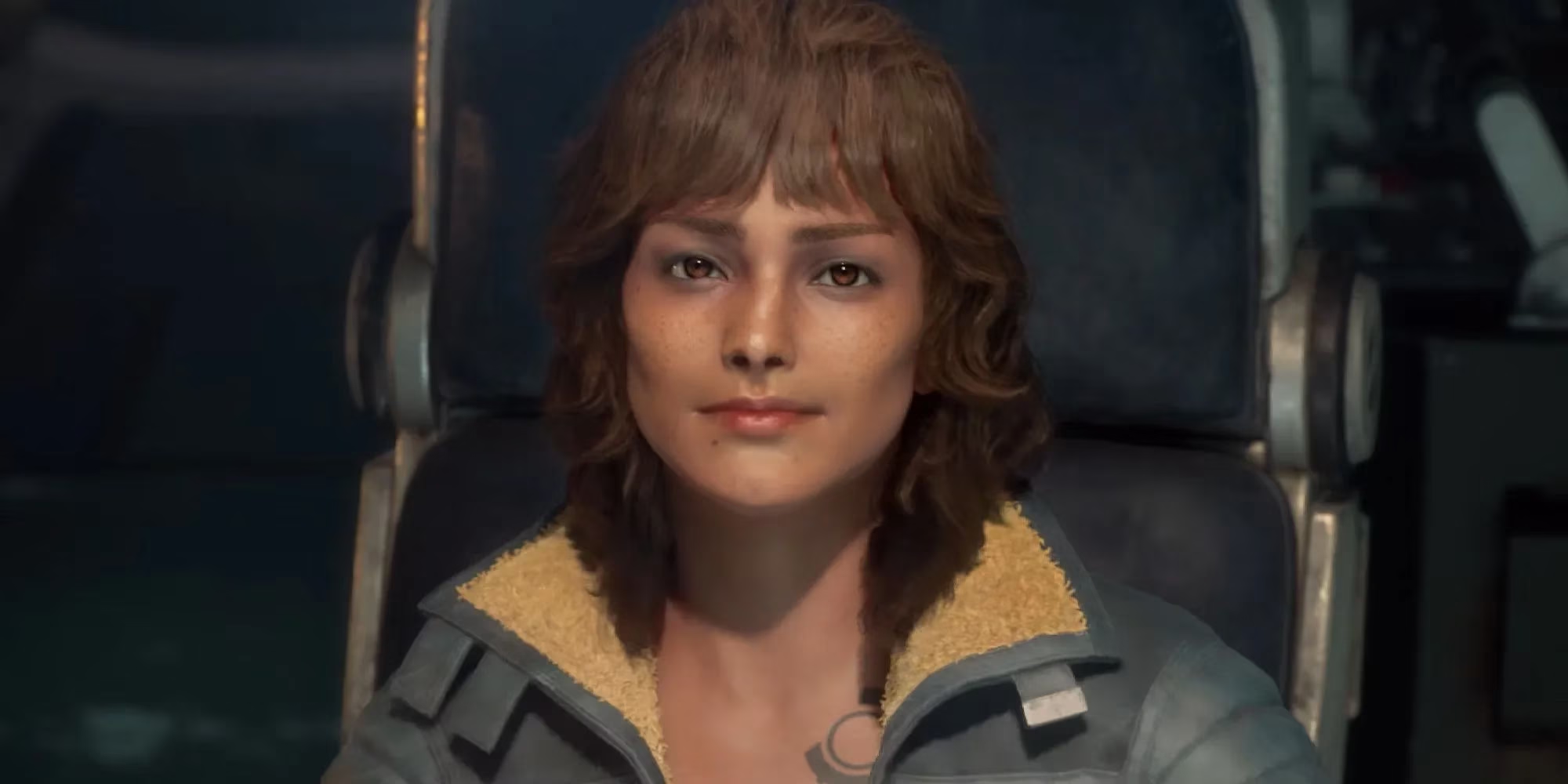
Dragon Age: The Veilguard stands as the latest casualty in this endless parade. EA reportedly prioritized those crucial early sales above all else. When those numbers fell short? Layoffs followed, casting a shadow over the franchise's future. This isn't necessarily about the game's completeness—it's about publishers' laser focus on day-one revenue, ignoring how player behavior is fundamentally shifting. The message is clear: launch quality directly impacts survival.
But why are fans holding back? Look no further than the "Wait for the Fix" Mentality. Games like Cyberpunk 2077 and No Man’s Sky became poster children for redemption arcs, proving that patience pays off with polished experiences at lower prices. This isn't consumers outsmarting the system; it's learned behavior from repeated disappointment. Consider the story of the ultimate Star Wars fan—a collector spending thousands yearly, attending every convention, devouring every new show instantly.
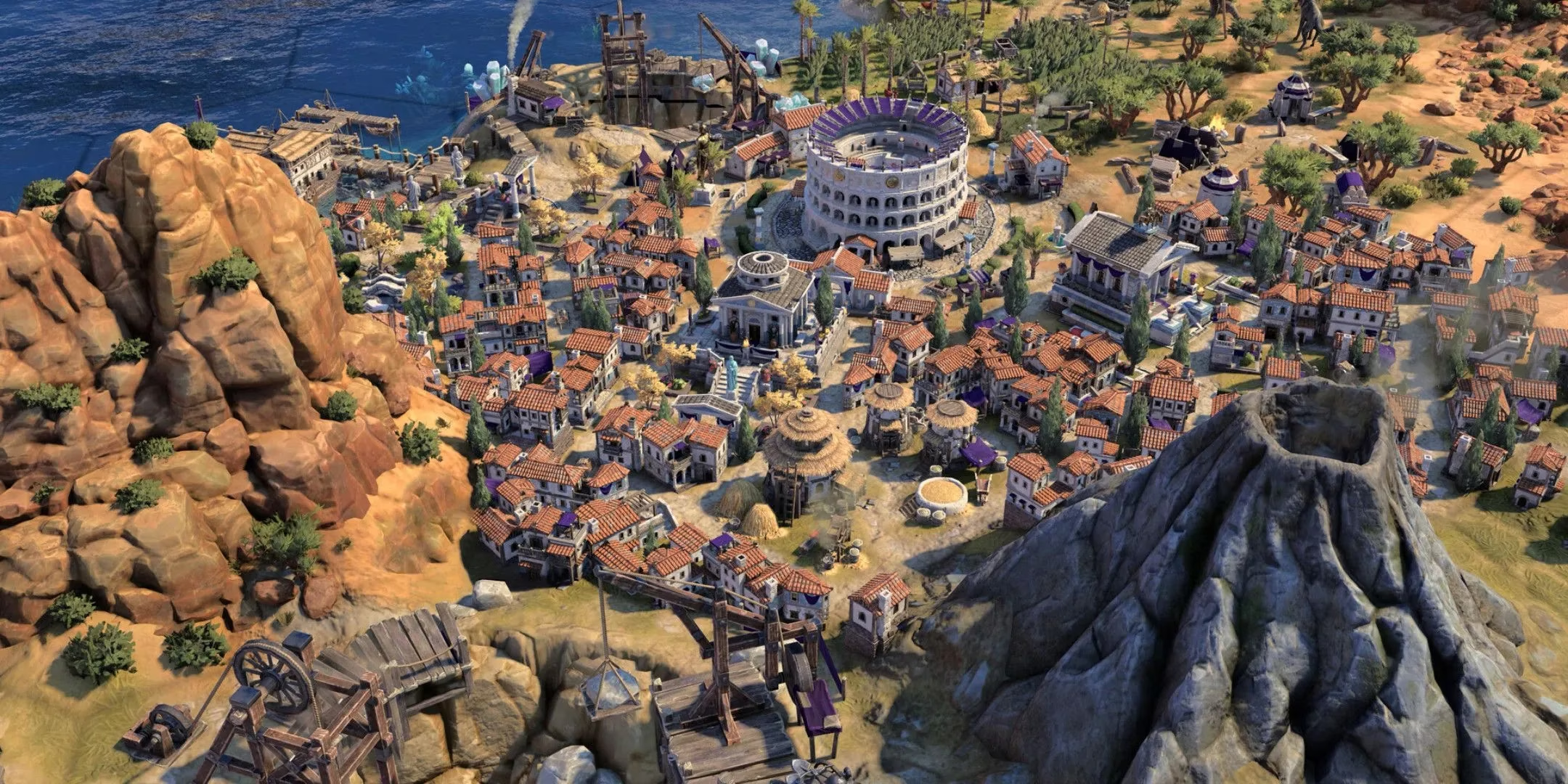
Even he declared, "Eh, I’ll just wait six months for them to fix Star Wars: Outlaws and sell it half off." His reluctance had nothing to do with online controversies; it was pure pragmatism born from being burned too often by big-budget launches. The result? Outlaws underperformed initially, despite later improvements. Coincidence? Unlikely. Fans now instinctively assume triple-A equals launch-day disaster.
This brings us to the heart-wrenching case of Civilization 7. As a franchise adored by millions (this writer included!), expectations were sky-high. Yet, its 2025 release felt... hollow. Missing features baffled veterans:
🚫 No City Naming? A series staple, gone!
🚫 Truncated Eras? The modern age doesn't reach the present day!
🚫 Confusing UI? Minimal tooltips left players guessing!
The pricing stung even more:
| Edition | Price | Perks | Player Sentiment |
|---|---|---|---|
| Base Game | $70 | Core Experience | "Too barebones!" |
| Premium | $100 | Early Access + DLC | "Negative Steam reviews flooded in!" |
| Ultimate | $130 | All Content + Early | "$130 for this?" |
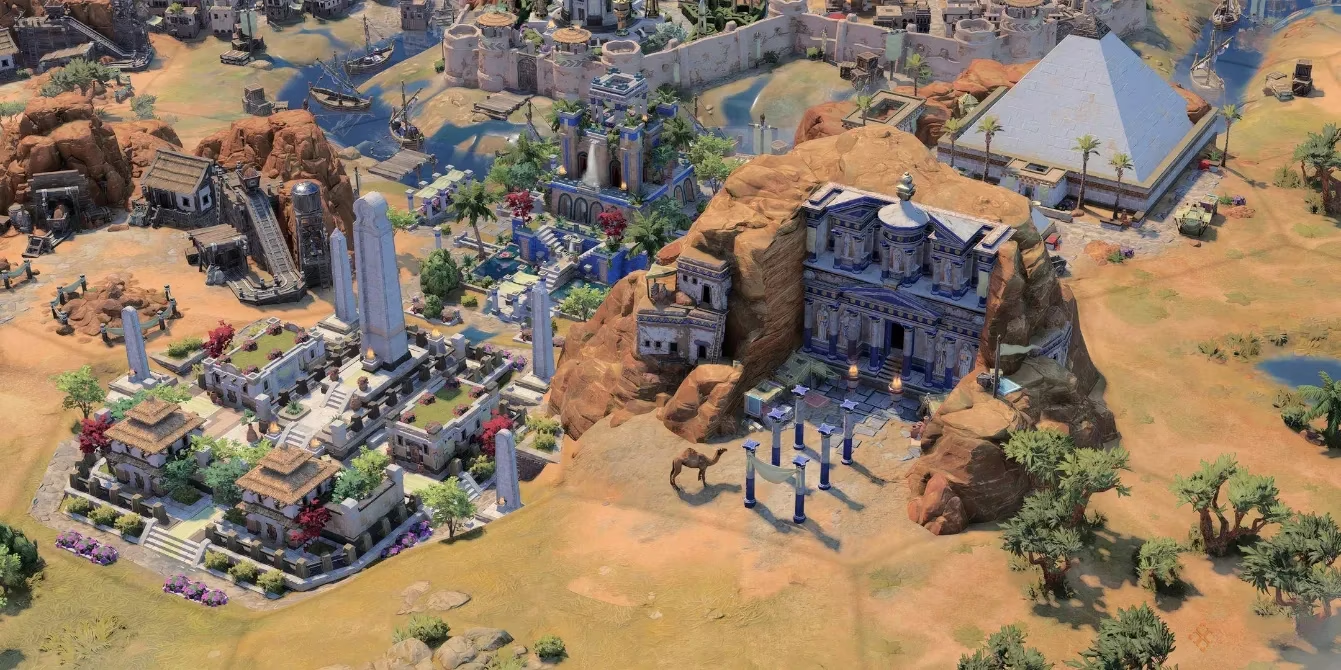
Firaxis quickly promised fixes—bless the developers!—but the damage was done. Players who would have splurged $130 week one now hesitate. How many sales evaporated instantly? How many will wait for a 50% off sale after patches? The game runs fine, yes, but the trust erosion is real. Like past Civ titles, it’ll likely evolve brilliantly with expansions... but will players forgive the rocky start?
Here’s the brutal truth for executives: Sacrificing long-term reputation for short-term gains is financial suicide. Every rushed release:
-
🔄 Reinforces the 'Wait' Mentality in your most loyal customers
-
💸 Cannibalizes Full-Price Sales as players anticipate discounts
-
🔥 Damages Franchise Value (See: Dragon Age layoffs!)
-
⏳ Forces Costly Recovery Campaigns (if recovery is even possible!)
Sure, Cyberpunk and No Man’s Sky bounced back—but they’re celebrated because they’re exceptions! Relying on miraculous turnarounds is terrible strategy. Want those juicy day-one profits? Simple: Make Day One worthy of full price. Deliver a product that feels complete now, not just promising greatness later. Otherwise, you’re not just disappointing fans—you’re teaching them to keep their wallets closed. And once that lesson sticks? Good luck un-teaching it.